
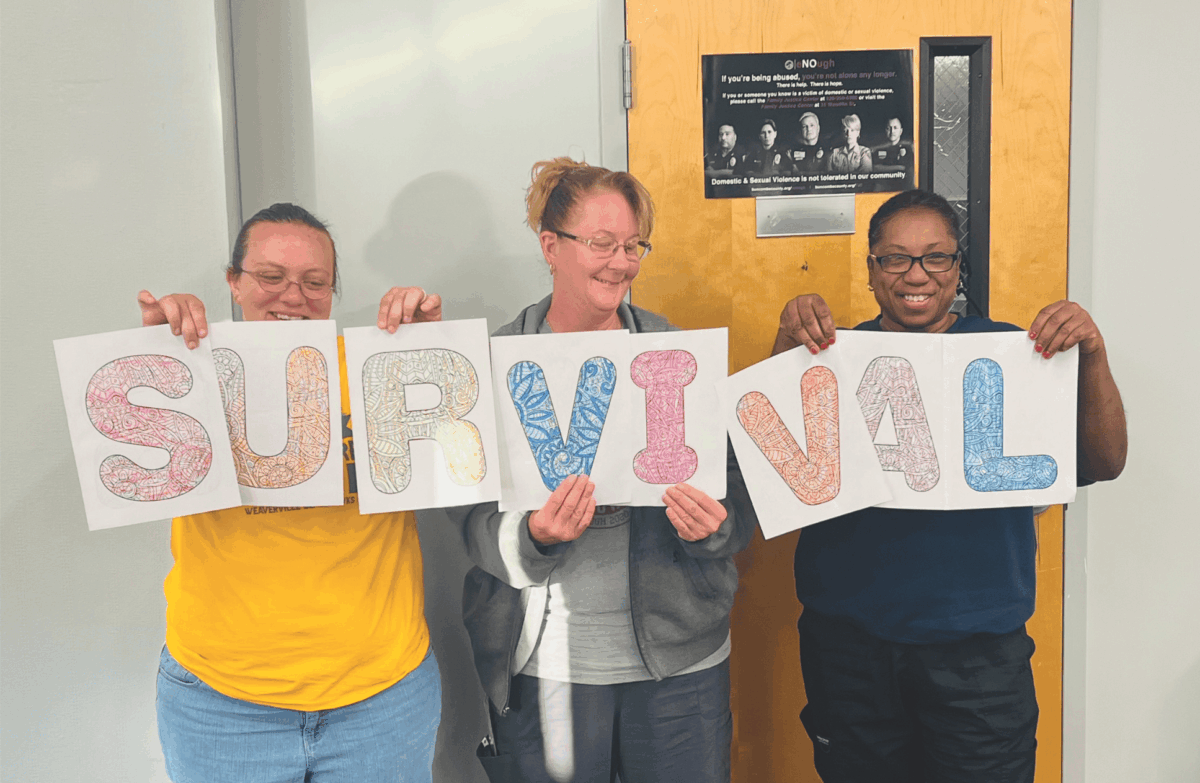
When disaster strikes, the strength of a school community is tested in ways no training can fully prepare for. In the aftermath of an unexpected crisis, one district’s leaders, staff and supporters came together to navigate the unknown, support one another and begin the long road to recovery.

High school senior Nathaniel Teres shares how he worked to improve food allergen labeling for school meals to make his school cafeteria inclusive and safer for students with celiac disease.

“Superfoods” may be a trendy term, but the idea behind them isn’t new—nutrient-dense ingredients that promote overall health. Adding superfoods to school meals can make healthy eating easier (and tastier) for students without overcomplicating the menu.

Three school nutrition directors share how prioritizing student involvement in their menu planning sparks excitement and helps boost participation in their cafeterias.
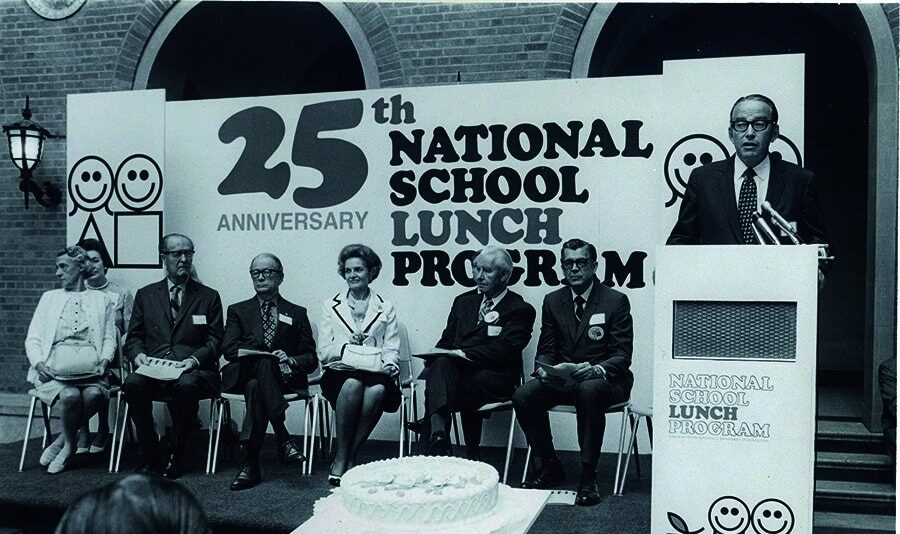
No matter how much school meals have evolved over the years, there are iconic cafeteria classics that have stood the test of time. Whether you were in school in the ‘70s or even just a few years ago, chances are you’ve looked at an actual lunch tray or a recent recipe photo and thought, “Yep, I remember that!”

The journey to achieving big dreams often starts with the tiniest of steps, and micro goals can provide a practical, empowering framework for turning aspirations into reality.

Professional development is not only a way to engage staff and meet the requirements of the USDA professional standards; it’s a way to boost staff morale, increase staff buy-in and develop leaders in school nutrition.

Committing to being a lifelong learner, whether you focus on professional development, formal education, certifications, courses or other informal learning opportunities, is key to having a successful and fulfilling career.

Lynelle Johnson, RD, SNS, is no stranger to leadership, collaboration and the mission that fuels the school nutrition profession, and now she is ready to serve as SNA’s next Vice President with the same passion and purpose that has defined her career.

Embracing the strengths of a multigenerational workforce will not only build a better working environment but also create a more dynamic and successful future for everyone.