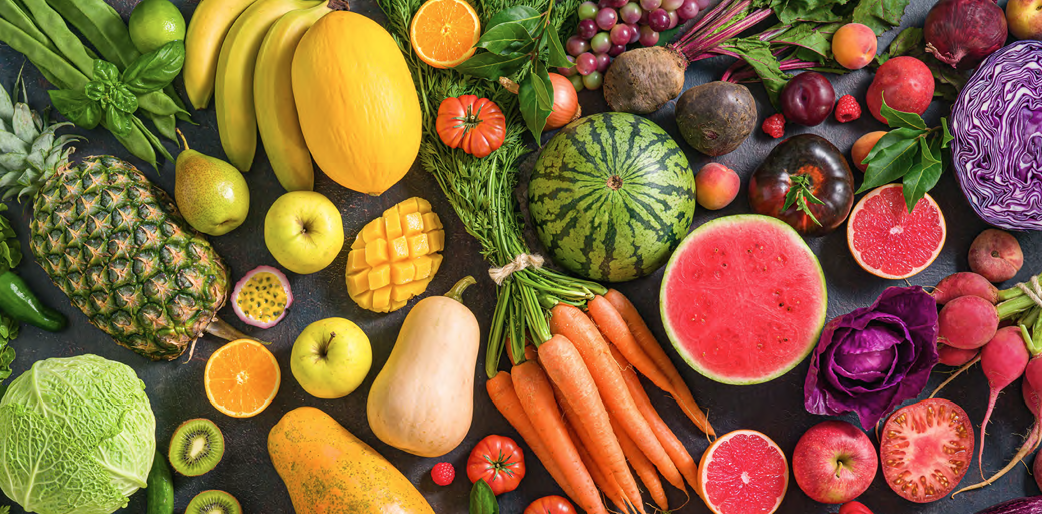
Chefs Lindsey Schoenfeld, MS, RDN, and Vahista Ussery, MS, MBA, RDN, K-12 culinary nutrition experts and founders of To Taste, answer all your questions about “cooking with color” and share six delicious, vibrant recipes they’ve developed specifically for K-12 school nutrition menus.
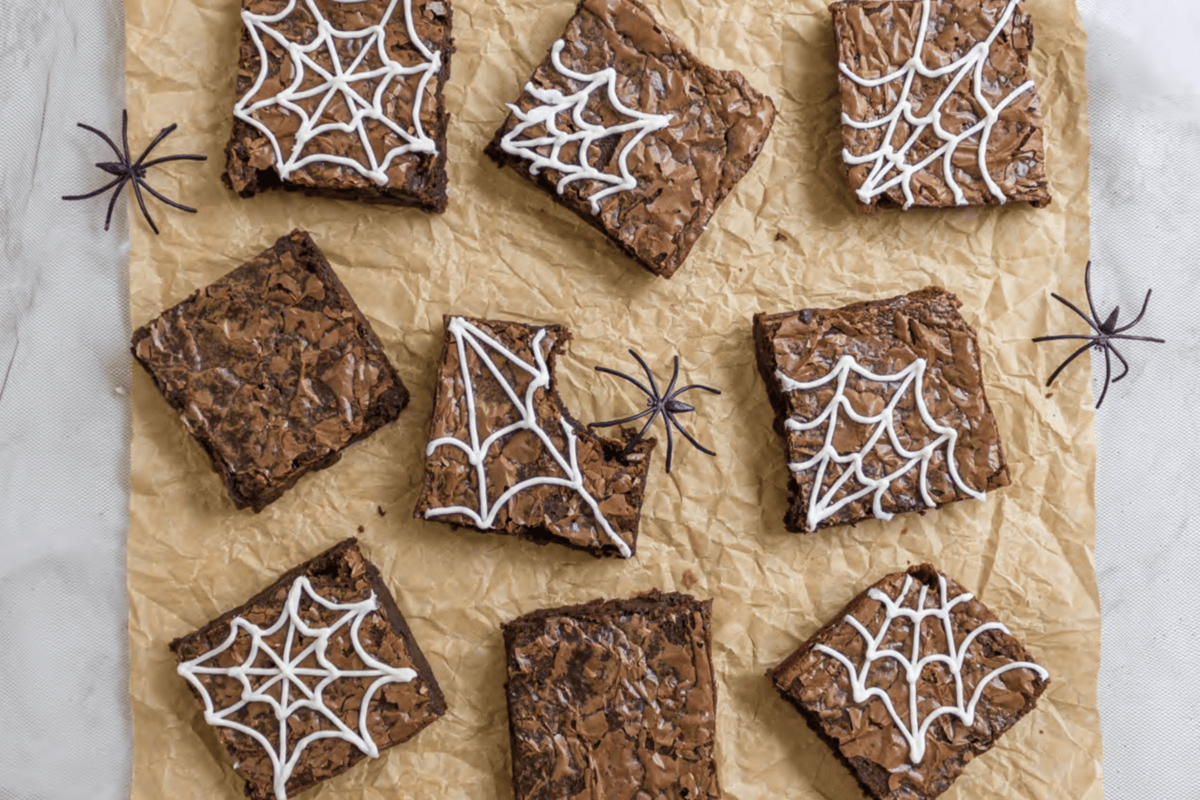
Learn how special celebrations can bring more excitement to the cafeteria and get K-12 approved, festive recipes—from Spooky Spud Skulls for Halloween to a Shamrock Smoothie for St. Patrick’s Day.
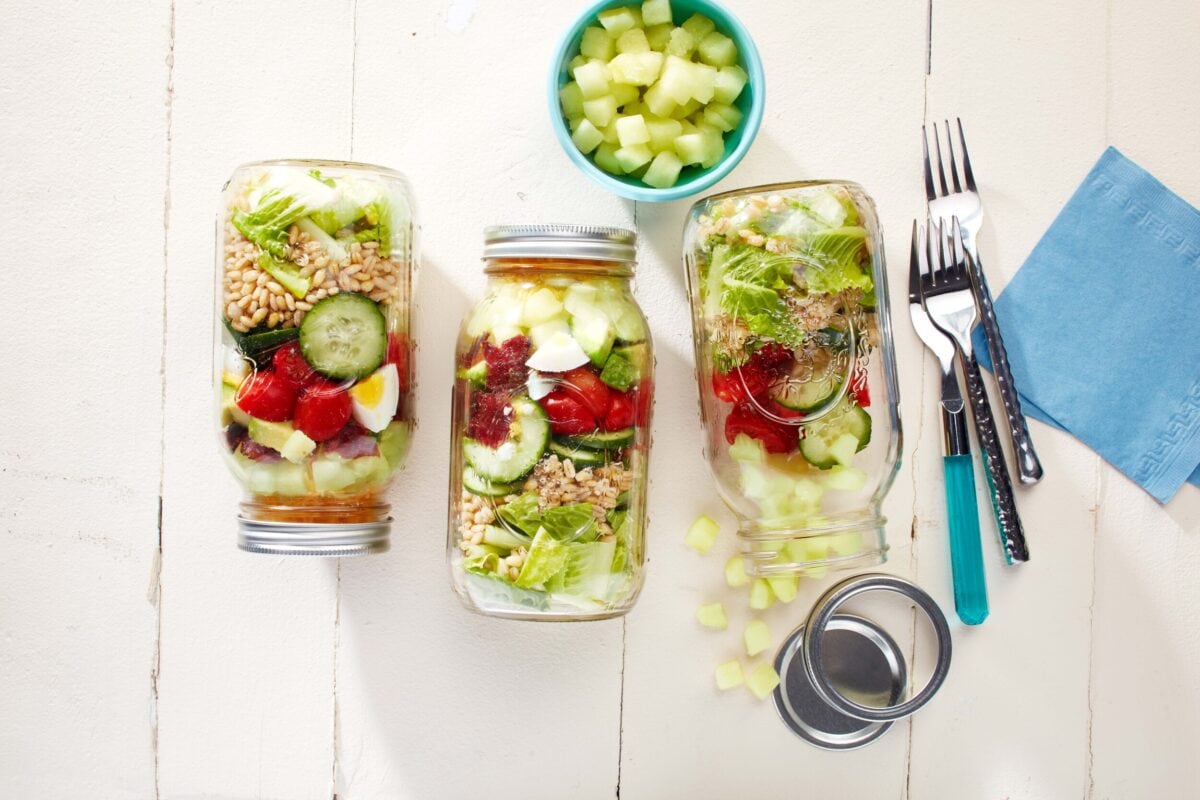
Salads are defined by their flexibility—they can be chopped or composed, creamy or vinaigrette-based, plant-forward or protein-heavy, the main dish or a side—and that adaptability is what makes them perfect for school nutrition programs.
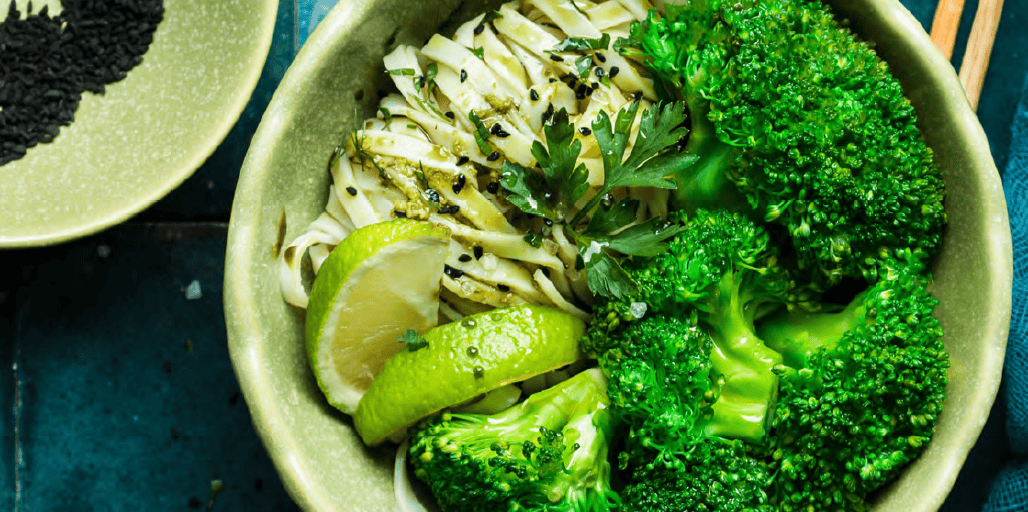
Whether people are cutting back on meat, going fully vegetarian or vegan or just trying out Meatless Mondays—plant-based diets are having their moment, and with the environmental and health benefits that come from eating fewer animal products, it makes sense why.

Potatoes are the perfect ingredient for operators looking to refresh menus. They can stand alone as the base or quietly reinforce a menu’s nutrition goals while carrying other vegetables, proteins and grains along with them. In short: Potatoes don’t just belong on the tray—they can even elevate it.
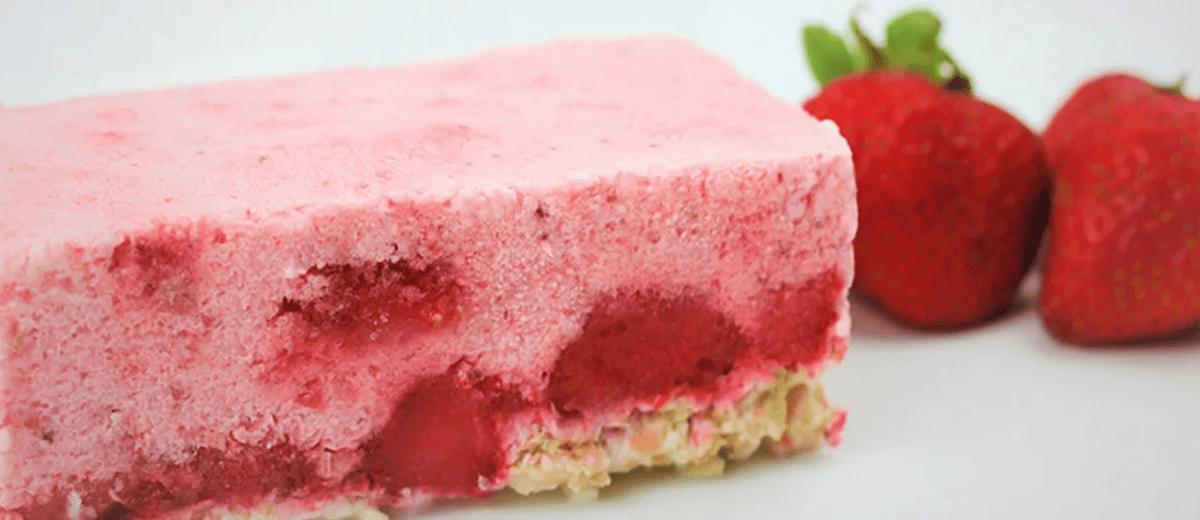
Dessert in the cafeteria has always been about joy—from the nostalgia of that little ice cream cup to the excitement of trying a new recipe today, a sweet treat to finish up the meal can make school lunch extra special.

Food fusions—such as naan bread pizza, Mexican lasagna, kimchi hotdogs and more—are the perfect way to add inventive international flavor combos to your menu, celebrate your students’ different cultural backgrounds and satisfy adventurous and pickier eaters alike by mixing familiar foods with bold new flavors.
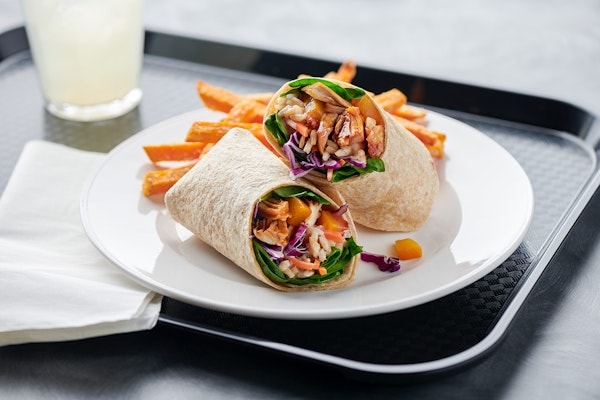
Wraps make it easy to offer a complete, satisfying meal that can be eaten with minimal fuss. From boosting participation to easing production logistics, wraps are more than just a handheld trend. They’re a practical and (mostly) student-approved way to serve up balanced meals.

Savory and sweet flavors are distinctly different taste experiences—so distinctive, you might think that they can’t possibly work together effectively, and yet they do. While savory and sweet have contrasting flavor properties, their very differences are also complementary, each enhancing the characteristics of the other.

From cheddar to Parmesan to moose milk—with a 4,000-year history and universal popularity—there’s a whole world of cheese to explore.