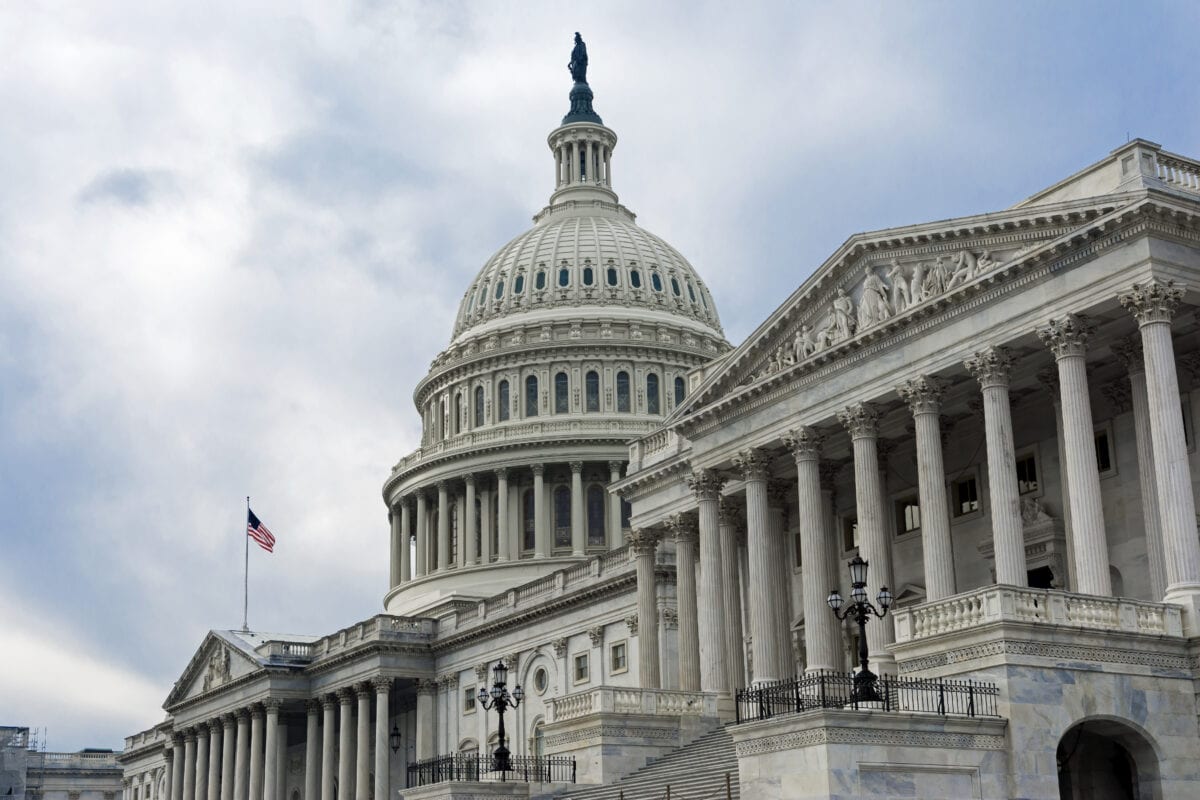
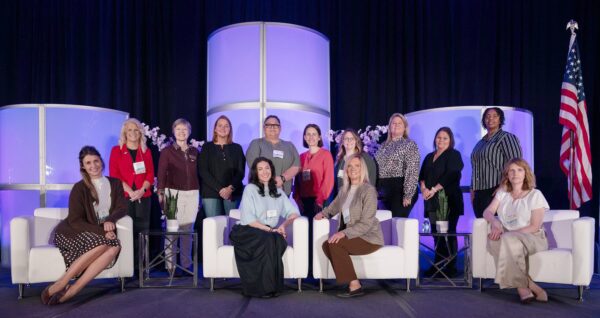
In March, more than 800 School Nutrition Association members traveled to Washington, D.C., for SNA’s Legislative Action Conference (LAC26), including over 200 first-time attendees. The agenda featured five general sessions over three days, and each was packed with information, ideas and inspiration to help SNA members navigate the road ahead. We are in a critical time for child nutrition advocacy and each LAC26 general session was designed to encourage and empower members to speak up for their programs and the students they serve.
Setting the Stage
The first general session of SNA’s 54th Legislative Action Conference (LAC26) was an energizing call-to-action for the more than 800 school nutrition professionals and K-12 industry partners in attendance. SNA President Stephanie Dillard, MS, SNS, welcomed attendees and set an inspirational tone for the conference, reinforcing the core mission of everyone in the room: To ensure every child has access to nutritious school meals that support learning, growth and overall well-being.
After opening remarks, SNA Public Policy & Legislation (PPL) Committee member Megan Bates, SNS, addressed the audience with a rousing reminder that “You are in the arena”—a reference to President Theodore Roosevelt’s famous 1910 “Man in the Arena” speech—and encouraged members to bring the strength of shared purpose and a unified voice to their representatives in Congress.
 After recognizing SNA leaders, volunteers and staff, the first general session moved on to organizational updates before introducing the first keynote speaker of the conference, political journalist Jake Sherman of Punchbowl News. Sherman didn’t pull any punches, offering a candid and in-depth analysis of the current political climate that elicited plenty of applause, laughter—and yes, a few groans—from the audience.
In his signature incisive, witty style, Sherman gave LAC26 attendees a clear-eyed overview of the current state of politics in Washington, D.C., where President Trump’s influence shapes both behavior and legislative dynamics, and looming 2026 midterms have the potential to upend power in the House of Representatives (more likely) and the Senate (a less likely win for Democrats, but not impossible). He also shared insights into the current state of media in politics, underscoring the importance of specialized, expertise-driven policy reporting, citing his own Punchbowl News as well as FoodFix, a food policy newsletter from Washington reporter Helena Bottemiller Evich, who, like Sherman, also worked at Politico.
What does 2026 have in store for us, politically? Sherman had a few insights to share:
- “Driven by dominance, grievance, attention and leverage,” President Trump is good at shaping conversations but he’s “stronger as a political force than a legislative mechanic.” His legislative priorities lie elsewhere now (specifically, passing the SAVE Act), but that could change.
- The 2026 midterms have the potential to reshape things, with the House more likely to flip based on historical patterns as well as the current razor-thin GOP margin.
- The 2028 presidential field is beginning to take shape, but it’s still very early in the game.
Sherman also offered analysis on the Make America Healthy Again (MAHA) movement and where it sits within the current political landscape. While MAHA is dominating conversation in food and nutrition circles, it is not a driving force for every Republican in Congress quite yet; only time will tell whether MAHA “washes over the hill” as a breakthrough issue with Republican legislators overall.
“If members of Congress aren’t aware of your issue, they’ll forget about it.” —Jake Sherman, Punchbowl News
Throughout his address and the subsequent Q&A session, Sherman continued to emphasize that we live in a political reality where everything—even feeding children—can become hyper-partisan, and that consistent advocacy is the best path forward for everyone involved in child nutrition. Consistent advocacy, along with ongoing education for policymakers and maintaining visibility, is critical to the mission and success of school nutrition programs.
“If members of Congress aren’t aware of your issue, they’ll forget about it,” said Sherman. “Make it important to them all the time.”
The Policy Playbook
The second general session of LAC26 gave SNA members the opportunity to learn more about the SNA Political Action Committee (PAC), as well as review the 2026 Position Paper and advocacy priorities that would guide Hill visits. SNA’s PAC Chair Shenae Rowe, RDN, walked attendees through the role of the SNA PAC in supporting those members of Congress who influence school nutrition and support SNA issues, ensuring school nutrition professionals have a seat at the table where decisions are made about child nutrition programs.
Next, SNA’s CEO Patricia Montague, FASAE, CAE, and Vice President of Government Affairs and Media Relations Liz Campbell, MA, RDN, presented a contextual overview of the current political and legislative landscape to help attendees understand:
- Who is in Congress: Leadership and key committee roles in both the House and Senate that most impact school meals.
- Legislation Affecting School Meals: Farm bill provisions (e.g., Buy American rules, Fresh Fruit & Vegetable program reauthorization) and federal bills that are aligned with SNA priorities, such as the Healthy Meals Help Kids Learn Act (increased reimbursements), the School Food Modernization Act (equipment & infrastructure funding) and Restoring Food Security for American Families and Farmers Act (protects certification pathways affected by SNAP/Medicaid changes). SNA is also tracking state-level bills that affect school nutrition programs and have the potential to create inconsistencies (e.g., poorly or underdefined “ultra-processed” food regulations) for school districts as well as manufacturers.
- Regulatory Landscape & USDA Proposed Rules: Concerns and expected changes tied to the 2025-2030 Dietary Guidelines for Americans (DGA) and potential impacts on school meals.
Next was a review of SNA’s strategic response; a coordination of advocacy efforts across three pillars:
- Engaging the White House and Congress: SNA is staying closely engaged with lawmakers through meetings with the White House Domestic Policy Council, USDA and HHS.
- Allied Partnerships: Communicating with our partners in industry, public health, anti-hunger and education.
- Grassroots Action: Mobilizing SNA’s membership to comment on the upcoming proposed rule with a goal of 300,000 signatures. (For comparison, the last major rule had 130,000 comments.)
 SNA members are encouraged to watch for the proposed rule release and to participate in the SNA-coordinated comment submission when the comment period opens. SNA will provide templates for members to personalize before submitting to USDA. It’s critical for members to act during this period to ensure that the final rule is feasible, protects access to school meals and includes government support through funding. Stay tuned for updates from SNA’s Action Network, sign up for SNA’s weekly advocacy newsletter Tuesday Morning and be ready to act!
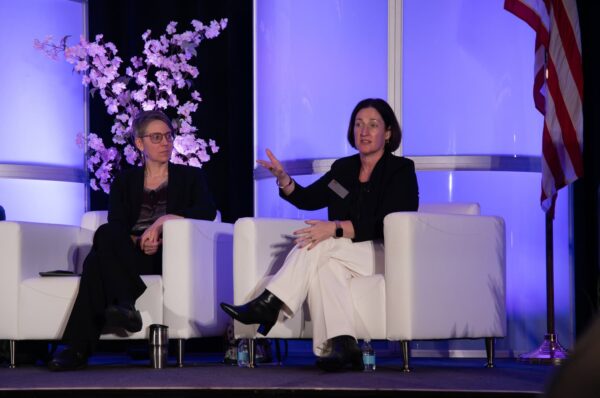
Finally, three members of SNA’s PPL Committee took the stage to present the 2026 Position Paper. Committee Chair Nicole Mealia (Pa.), along with Stephanie Walker Hynes, SNS, (Ark.) and Jen Peifer, SNS, (Colo.), walked attendees through SNA’s top priorities and talking points for members to bring to their Hill visits. The key themes and top priorities to communicate to lawmakers were:
- Increase Investment in School Meals: Increase funding to support rising food and labor costs, scratch cooking capacity, local food purchasing, upgraded facilities/equipment and professional development training.
- Protect & Expand Access to Free Healthy School Meals: Preserve and strengthen the Community Eligibility Provision (CEP), address impacts of H.R. 1 on direct certification and recognize/promote the link between school meals, attendance, academic success and overall childhood health.
- Ensure Nutrition Standards are Feasible: Maintain flexibility to purchase nutrient-dense, pre-prepared K-12 food products, ensure adequate staffing/training/equipment for school nutrition programs and avoid state-level inconsistencies that create barriers for districts and manufacturers alike.
Each committee member shared their own “Story from the Field” to underscore SNA’s top priorities and to highlight the need for increased investment and feasible federal regulation of school meal programs. It was a masterclass in how storytelling can elevate advocacy and make school nutrition talking points understandable for non-experts—in this case, lawmakers.
In Pennsylvania, PPL Chair Nicole Mealia struggles with limited space and third-floor kitchens while dealing with meal costs that exceed the reimbursement. In Little Rock, Stephanie Walker Hynes is seeing the many benefits of serving universal school breakfast (via state funding and direct certification through Medicaid), including participation increases, reduced stigma and an improved student experience; she also underscored the role that high-quality food and consistent social media outreach can have on increasing meal participation. In Colorado, Jen Peifer also has limited space and old equipment to deal with, along with severe labor shortages and the increasing cost of employee benefits.
In closing out the second general session, SNA CEO Patricia Montague acknowledged this is a critical moment for school meal advocacy and encouraged SNA members to bring their passion and their personal stories to the Hill.
Inside USDA
USDA Food, Nutrition & Consumer Services Deputy Undersecretary Patrick A. Penn opened the third LAC26 general session with moving personal remarks highlighting the critical role school meals play in the lives of children, something he experienced firsthand as a child growing up in the foster system. Penn acknowledged school meals are the healthiest meals American children receive thanks to years of work reducing sodium levels and added sugars while improving meal quality, and assured LAC26 attendees that USDA will continue to partner closely with schools as they adapt menus and embark on rulemaking around updated nutrition standards based on the newly-released 2025-2030 Dietary Guidelines for Americans (DGA).
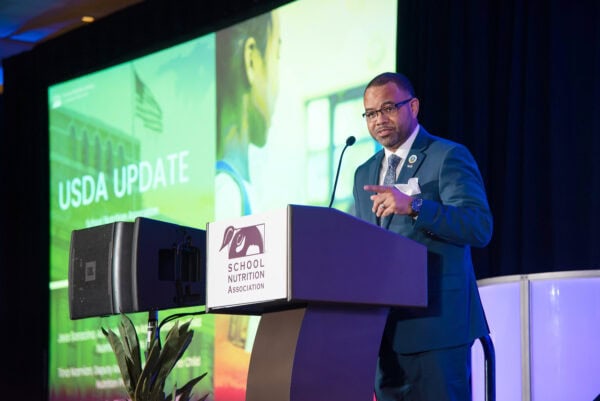 Before turning the session over to his colleagues for the annual USDA update, Penn encouraged SNA members to bring their personal stories and professional expertise to Capitol Hill for maximum advocacy impact, and to remind legislators that school nutrition professionals are “changing the trajectory of health in America, one lunch tray at a time.”
The USDA update is always a highly anticipated event on the LAC program, and that was certainly true this year. A panel of USDA representatives were on hand to give LAC26 attendees an overview of USDA program and policy updates.
Jessica Saracino, Acting Associate Administrator, opened the presentation with updates on funding and procurement opportunities for school districts. While the Farm to School grant period is now closed, Saracino announced that Team Nutrition Grants will return in 2026 along with $20 million in equipment grants to help support scratch cooking and kitchen upgrades.
Next, Tina Naimian, Deputy Associate Administrator of Child Nutrition Programs, delivered updates on meal standards, provided a look at Farm to School and Team Nutrition training initiatives and reviewed the Whole Milk for Healthy Kids Act. Naimian also encouraged SNA members to submit their comments on upcoming rulemaking to align school meal standards with the 2025-2030 DGAs.
Rounding out the panel presentation was Dr. Eve Stoody, Chief Policy Officer for Food, Nutrition & Consumer Services, who provided context and an overview of the recently released 2025-2030 DGAs and the new Food Pyramid. Like Naimian, Dr. Stoody encouraged attendees to prepare and submit their comments on the upcoming rulemaking to USDA when the comment period opens.
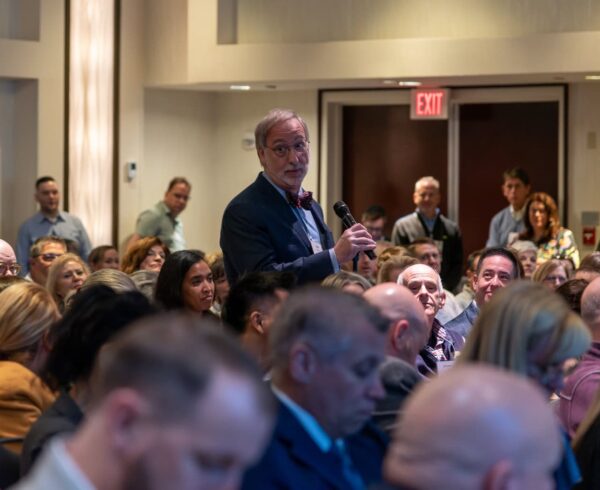 After the panel presentation, LAC26 attendees approached the microphones to present USDA with their most pressing questions. During the extensive Q&A session, SNA members raised concerns about feasibility, funding gaps, labor shortages and the real-world implications of implementing new meal patterns. The panel urged members to bring their financial concerns to the Hill, as funding and reimbursement rates are set by Congress, not USDA. The panelists also acknowledged concerns attendees had about protein requirements, reformulation timelines for manufacturers and the need for broader nutrition education to accompany the updated guidelines and meal patterns, reiterating the importance of submitting comments once the proposed rule has been released.
And—for the first time ever—a student voice was in the mix at LAC! Shyla Plezia from Amherst Exempted Village Schools (Ohio) was in attendance, and when she introduced herself at the microphone the room erupted in delighted applause. Plezia posed an interesting question to the USDA panelists about whether they had considered allowing students to use SNAP benefits to purchase food in schools. Her presence was a highlight of both the session and the entire conference. Thank you for attending and making your voice heard, Shyla!
Breaking Down Ultra-Processed Foods
The fourth general session at LAC26 focused on what might be the hottest food and nutrition topic of the moment: ultra-processed foods (UPFs). SNA President Stephanie Dillard opened the session by acknowledging the uncertainty that surrounds the term “ultra-processed foods” due to inconsistent definitions and state-level legislation, along with still-evolving federal guidance. This set the stage for our expert panelists to clarify the science and terminology around UPFs, explore the role public perceptions play in the conversation and consider the potential implications for school meal programs.
The panelists:
- SNA President-Elect Ashley Powell, Ph.D., RD, SNS, FAND
- Liz Campbell, SNA Vice President of Government Affairs and Media Relations, MA, RDN
- Kelly Horton, MS, RDN, Academy of Nutrition & Dietetics (AND)
- Anna Rosales, RD, Institute of Food Technologists (IFT)
- Alyssa Pike, RDN, International Food Information Council (IFIC)
So, what makes UPFs a top concern and the moment’s hot topic? Liz Campbell gave a brief “how we got here” synopsis, showing how the MAHA movement, the updated DGAs and the current policy landscape have accelerated the rapid rise of UPF-focused policymaking. The combination of state-level bills attempting to ban ingredients and/or define UPFs with the lack of a federal definition have created a patchwork of conflicting regulations that contribute to uncertainty and confusion about the term “UPFs.” Cambell then outlined the results of a recent SNA survey showing districts will need significant investments in food, labor, infrastructure and training if they are required to reduce UPFs, and reiterated SNA’s stance that “any federal definition must be science-based and must not undermine school meal success.”
When it comes to public perception of processed foods, Alyssa Pike from IFIC shared fascinating data on what is actually driving consumers right now. What does the average American think about when choosing their food? According to the research:
- Taste and price are overwhelmingly the top drivers (taking precedence over healthfulness)
- 8 in 10 Americans report that they consider processing when shopping, but most cannot explain what “processing” means
- Only 40% say they are familiar with the term “ultra-processed,” but that number is rising
- Lower-income consumers prioritize convenience
- Many believe processed foods can be included in a healthy diet, but there are competing negative associations (health concerns) and positive associations (affordability, convenience, shelf life)
To help the LAC26 audience better understand food processing, IFT’s Anna Rosales presented common misconceptions that accompany the term “processing.” She outlined the scientific realities of what processing means, and does not mean, to help reframe the conversation around processed foods. A few key takeaways include:
- “Processing” food helps ensure safety and reduce food waste, and includes basic actions like washing, slicing, heating, freezing and canning.
- Food processing is essential for food safety, nutrition security and large-scale feeding; processing reduces pathogens, extends shelf life, improves nutrient retention and reduces food waste.
- The conflation of processing with formulation (ingredients, additives) adds to confusion.
- Modern technological processes that enhance food quality and safety (e.g., high-pressure processing) are at risk of being restricted by poorly defined UPF policies.
Rounding out the presentation was Kelly Horton from the Academy of Nutrition and Dietetics with a science-based overview of UPFs, and what the implications might be for school meal programs down the line. Kelly presented the Academy’s analysis of the science surrounding UPFs:
- UPFs make up approximately 50% of U.S. caloric intake, but the term “UPF” covers an extremely broad category
- Research linking some UPFs to chronic disease (specifically those high in salt, sugar and saturated fat) is limited by other factors (e.g., socioeconomic status, food access, food dietary recall)
- Many “UPFs” are not harmful; foods like whole-grain bread, fortified cereal and yogurt are “ultra-processed foods”
- Research supports hybrid models (scratch cooking that includes nutrient-dense pre-prepared foods) as a realistic and healthy approach for school meal programs
- Rapidly proliferating state-level UPF and ingredient-ban bills are often poorly designed and may become burdensome for school meal programs
SNA President-Elect Ashley Powell then led the panelists in a facilitated discussion focused on how school nutrition professionals can move forward in an uncertain and shifting landscape. A lively audience Q&A period brought forth key concerns school nutrition professionals have regarding UPFs and the potential impact on their programs. For example, many USDA commodity foods would be categorized as UPFs (think beef crumbles, grilled patties, canned fruit) which will require reconciling policy with feasibility. Another concern raised was that lack of a clear working definition of UPFs, combined with state-by-state rules and regulations, means manufacturers may not be able to supply compliant products schools rely on. Eliminating prepared, nutrient-dense and shelf-stable products that schools need to meet meal pattern requirements, maintain safety and manage labor shortages is a major concern for both operators and the K-12 industry.
“Any federal definition must be science-based and must not undermine school meal success.” —Liz Campbell, MA, RDN, SNA Vice President of Government Affairs and Media Relations
With all of this in mind and just one day to go before Hill visits, LAC26 attendees were urged to bring their personal stories and professional expertise to communicate key messages to lawmakers:
- A science-based, practical definition of UPF is essential before rulemaking
- School districts and the K-12 industry must be at the table when definitions and standards are developed
- Schools cannot “do more with less,” and any new UPF requirements must be matched with increased federal investment
From Insight to Action
The collective energy of the room was high when SNA President Stephanie Dillard opened the fifth and final general session of LAC26. Dillard encouraged attendees to coordinate their Hill visits for consistency and maximum messaging impact; unified storytelling, matching T-shirts or pins and leave-behind materials are all strategies to help make Hill visits more memorable for lawmakers and their staff.
 The final LAC26 keynote was delivered by Brandon Lipps, former USDA Deputy Undersecretary of FNS during the first Trump administration. Lipps is now the co-founder and principal of Caprock Strategies, a policy consulting firm specializing in food, agriculture and education issues, and his address was full of practical, strategic advice to help SNA members sharpen their advocacy message for Hill visits.
The keynote’s core theme was empowerment; Lipps encouraged attendees to communicate their real-world expertise to lawmakers on the Hill. Throughout his presentation, Lipps peppered in the question “Who are the experts?” and the audience response got louder each time: “WE are the experts!”
Noting that it’s school nutrition professionals who know “what kids eat, what they don’t eat and what comes back on the tray,” Lipps talked about the delicate balance between nutrition standards and student acceptance, and encouraged SNA members to present their stories and real-life experiences to illustrate the distance between written policy and real-world implementation during their Hill visits.
Reiterating that personal stories are the most powerful tool to communicate that distance, Lipps urged LAC26 attendees to share key messages with lawmakers on the Hill:
- WE Are the Experts: Make sure policymakers know school nutrition professionals are the experts on what students really eat, how menu changes impact participation and the challenges of food acceptance, labor, equipment and supply chains.
- Feasibility Matters: Rushed, unfunded standards will destabilize, not strengthen, child nutrition programs.
- True Costs: Let lawmakers know what $4.70 really gets you—it’s not just food costs! Using SNA’s $4.70 graphic, Lipps encouraged members to talk about the true costs of labor, overhead and other non-food costs.
In his closing remarks, Lipps reminded LAC26 attendees that submitting comments on proposed regulations is a critical action once that period opens. He encouraged SNA members to submit their own comments and tap into their personal networks to mobilize broader participation once the rule is released.
“WE are the experts!” —LAC26 Audience
After the final keynote, SNA CEO Patricia Montague returned to the stage to reinforce key messages and advocacy guidance for the next day’s Hill visits, including practical advice for SNA members: Study your materials and be prepared, assign speaker roles, expect last-minute changes (even a hallway meeting!), make clear requests that align with SNA priorities, take photos and of course—have fun! To close the session and the conference, SNA President Stephanie Dillard joined Patti to thank SNA staff for their hard work and dedication in making LAC26 a success and to remind attendees that when it comes to school meal programs—YOU are the experts!

Related Articles