
A broad coalition of organizations is calling on the Administration to address the affordability crisis in the nation’s school meal programs. The group, representing school nutrition professionals, educators, anti-hunger advocates, health organizations, child-serving nonprofits, and food and agriculture stakeholders, is calling on USDA Secretary Brooke Rollins and OMB Director Russel Vought to immediately release Section 32 funds dedicated to child nutrition funds to provide emergency financial relief for school meal programs.
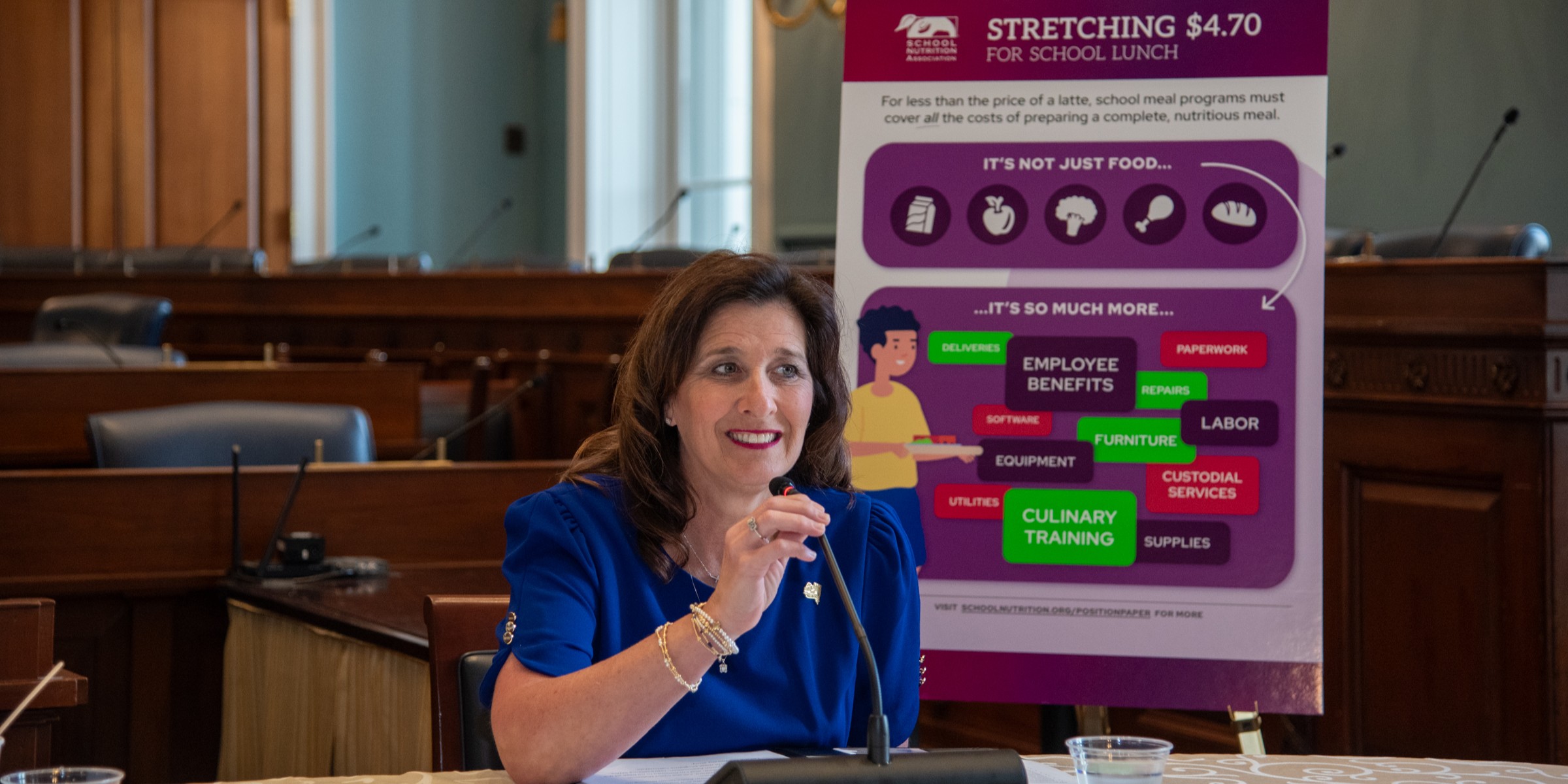
In a sign-on letter delivered to the Administration today, coalition partners detailed the mounting financial challenges and economic pressures of school meal programs as rising food, labor, transportation, equipment, and operating costs continue to outpace federal reimbursement rates.
Timely use of Section 32 funds currently available in child nutrition accounts at USDA would help stabilize school meal programs, protect student access to healthy meals, and demonstrate the Administration’s commitment to supporting schools, families, and children during a period of extraordinary financial pressure.
The letter outlines USDA’s own research indicating school meal revenues covered only 81% of program expenses, on average, and that 35% of school meal programs operated at a deficit during School Year 2023-24, nearly double the percentage reported just two years earlier. Coalition partners emphasize that the affordability crisis has become even more dire as schools continue to face volatility in food, fuel, labor, transportation, and supply costs.
The organizations note that many school districts are struggling to sustain programs that serve millions of American children each day and warn that additional financial pressures may result from forthcoming school meal standards. While school nutrition professionals have worked to streamline operations, adjust menus, and identify cost-saving measures, many programs have exhausted reserves and face difficult decisions about future operations, such as increasing meal prices for families or diverting scarce educational resources to support meal service operations.

Related Articles