Clean Labels 101: A Manufacturer’s View
A look at how manufacturers interpret—and innovate around—the evolving expectations behind “clean labels,” and what those shifts mean for K–12 programs navigating ingredient transparency, wellness trends and operational challenges.
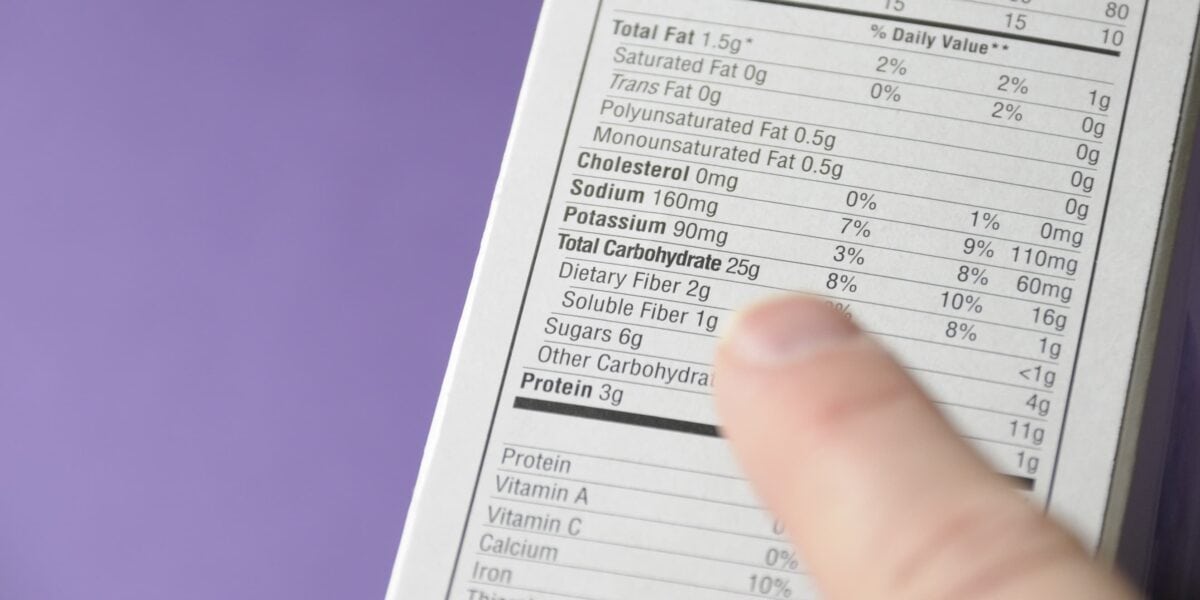
As someone who works in K-12 foodservice, you’ve probably looked over an ingredient list or two (or more) during your normal workday. And some of those labels are a little more complicated than others—maybe they’re longer, or they have ingredients you don’t recognize. It’s why there’s a growing focus, not only in K-12 foodservice but also in broader wellness culture, on the idea of clean labels.
The only problem? There’s really no definitive, universally agreed-on meaning of what a clean label is. A lot of experts, from Harvard Medical School to the Institute of Food Technologists, agree on basics like a shorter list of ingredients, fewer preservatives and no artificial dyes. But beyond that, it gets a little complicated, creating a mix of challenges and opportunities for foodservice teams and manufacturers as they strive to provide cleaner options for students...