
SNA has always carried forward a simple but powerful belief:
That children deserve to be fed, that the professionals who feed them deserve respect and that there will always be someone willing to show up. This is that story.
Where It Began
In 1946, World War II had just ended. Military leaders were alarmed to discover many young men were being rejected from service due to malnutrition, a direct result of childhood hunger. Congress responded with the National School Lunch Act, signed into law by President Harry S. Truman on June 4, 1946.
 The Act made permanent federal support for school lunches “to safeguard the health and well-being of the nation’s children.” That same year, two professional organizations merged to form the School Food Service Association (SFSA), now known as SNA. Within a year, 709 members joined. By November, 478 traveled to Dallas for the first national conference, themed “Health Education Through Food Service.” 39 companies exhibited, some still recognized today. The profession finally had a home.
The Early Decades: Building Something That Lasts
The 1950s brought growing pains. School lunch funds were initially distributed based on school-age census figures, meaning the more students served, the fewer cents available per meal. In 1962, SNA’s advocacy led to a new participation-based reimbursement formula, the first of many wins for children and professionals.
 In 1957, the first graduate scholarship was established. In 1964, today’s School Nutrition Foundation was created to support professional growth. In 1966, the Child Nutrition Act recognized the importance of school breakfast, launching a pilot program that would become a critical tool in addressing childhood hunger.
By the 1970s, SNA launched its first certification program, which would evolve into the School Nutrition Specialist (SNS) credential. The first Legislative Action Conference (LAC) brought members to Washington, D.C., beginning a tradition of grassroots advocacy that continues today. SNA was becoming something bigger than a professional organization. It was becoming a movement.
The Challenges That Shaped Us
 No 80-year story is complete without challenges. In 1980 and 1981, Congress and the Reagan Administration cut nearly three billion dollars from child nutrition programs. Eligibility guidelines were lowered. Reimbursements were reduced. Training funds were eliminated. Some 2,500 schools left the National School Lunch Program, affecting millions of children. School nutrition professionals did not walk away. They adapted. They found new revenue sources. They advocated. They kept programs running.
 In the mid-1990s, Congress proposed converting school meals to block grants distributed to states. SNA mobilized. Members traveled to Washington. SNA President Gene White relocated to D.C. for six months to lead the effort. In what became known as getting “school-lunched,” SNA and its allies convinced Congress to back down.
“SNA’s advocacy efforts represent the most important contribution the Association has made to the school nutrition profession,” said SNA President Stephanie Dillard. “If it were not for our advocacy, school meal programs might not exist today.”
 The challenges continued. In 2010, the Healthy, Hunger-Free Kids Act brought sweeping updates to nutrition standards, raising expectations while adding new operational pressures that continue today.
Now, in 2026, those pressures are intensifying. Nearly 70 percent of program directors say federal reimbursement rates do not cover the full cost of a school lunch. More than half are concerned about financial sustainability within three years. The work doesn’t stop here. And SNA is still showing up.
The Pandemic: A Defining Moment
If there was ever a moment that showed what school nutrition professionals are capable of, it was the COVID-19 pandemic in 2020.
When schools closed almost overnight, school nutrition teams pivoted immediately. They set up curbside pickup sites, repurposed school buses and delivered meals to children with no other food source.
With little notice, they became the front line between families and hunger. Time magazine featured cafeteria team members from Dallas ISD on its cover as frontline heroes.
What’s Next
 As SNA marks its 80th anniversary, we are turning to the people who made it possible. Personally, I keep showing up because this community gave me something I did not expect when I started: a sense that the work we do matters. We asked you all to reflect on what brought you to this work, the moments that have stayed with you and what continues to drive you forward. Each response is different, but together it shows a profession built on purpose.
Why We Show Up, Too
Some of the SNA team shares what keeps them connected to the work and the members who make it matter.
 “It’s not ‘work’ when the job is rewarding. SNA members inspire me with their passion for supporting student success, empathy for children in need and tireless efforts to improve school meals and the dining experience.” —Diane Pratt-Heavner, Director, Media Relations
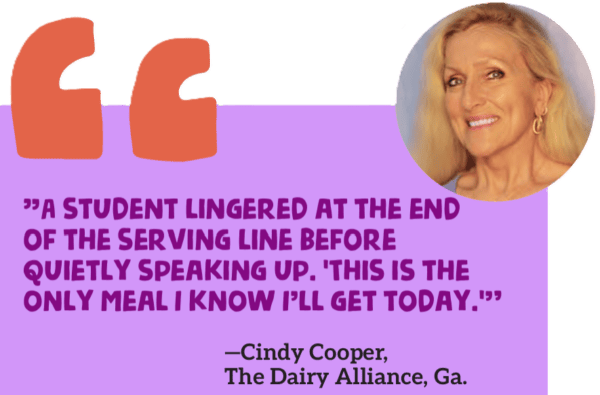 “Within the first month of being in this profession, I had my answer. Now after 7 years my answer has stayed the same—it’s the people. I have never been part of such a caring and dedicated community as I have here with school nutrition professionals.”
—Jordan Mathalon, Professional Development Associate
 “Knowing that what we do helps ensure students are nourished and ready to learn gives my work real purpose… Being part of a community that shows up for kids every day is what keeps me coming back.”
—Nita Artis, Senior Corporate Sales, Industry Success & Patron Program
“I’ve seen firsthand what this community can do when passionate people come together around a shared purpose.” —Casie Bussink, Senior Volunteer Relations and Governance Specialist
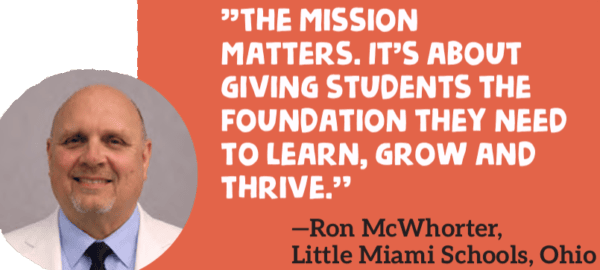
 “In every role, there is a strong sense that the work makes a difference. And it makes it a joy to call SNA my professional home for so long.” —Sarah Youssef, MS, CAE, Director of Professional Development


Related Articles