Take Action: Protect Workable Buy American Rules for School Meals
SNA supports schools purchasing American-grown and American-produced foods whenever possible. But Buy American provisions in the House-passed Farm, Food and…
Share Your Story: Enter SNA’s #LAC27 Sweepstakes!
What’s new: Enter SNA’s #LAC27 Sweepstakes for your chance to win one of two free trips to Washington, D.C. for…

SN Plus: Aloha on a Lunch Tray: Bringing Hawai’i’s Local Flavors to the Cafeteria
Hawaiian cuisine has officially left the islands and arrived on menus at Hawai’i-style restaurants across the country. Local dishes that…

SN Plus: Aloha on a Lunch Tray: Bringing Hawai’i’s Local Flavors to the Cafeteria
Hawaiian cuisine has officially left the islands and arrived on menus at Hawai’i-style restaurants across the country. Local dishes that…
SNA Announces Industry Relations Team Transition
After years of dedication to the association, Danielle Duran Baron, Vice President of Marketing, Communications & Industry Relations, and Nita…
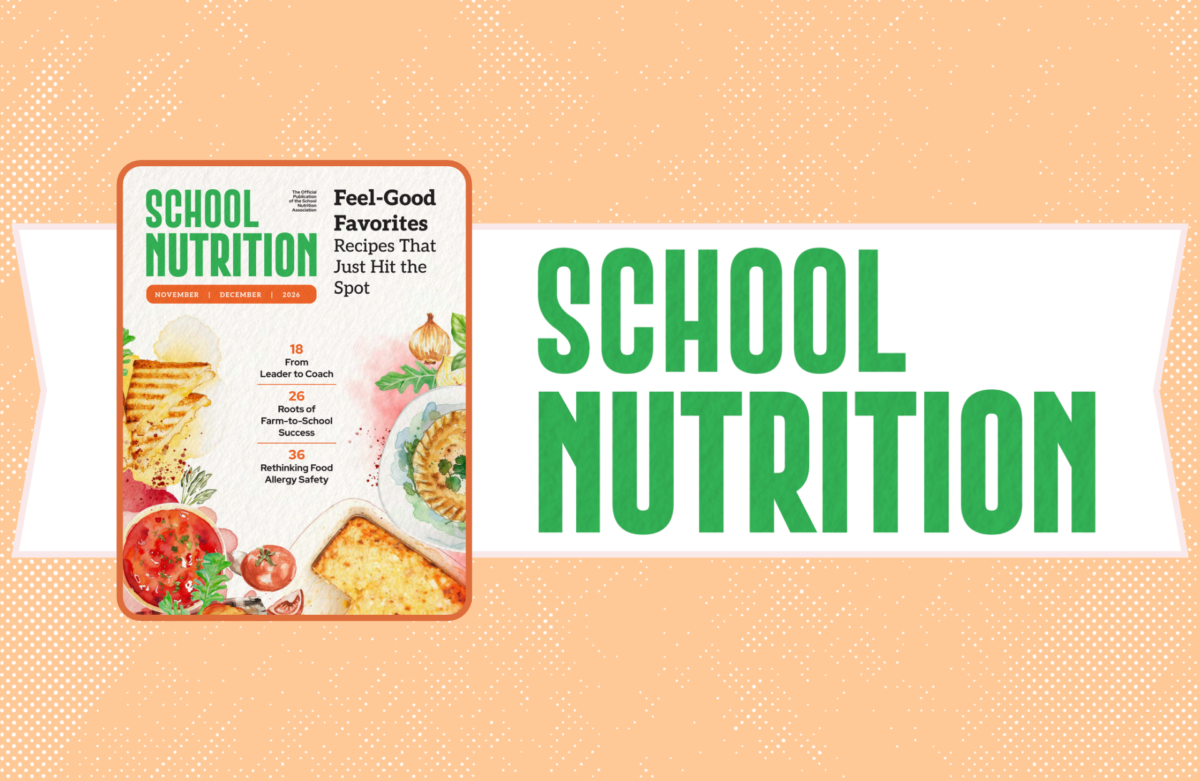
School Nutrition Magazine: November/December 2026
We always talk about how something “hits the spot.” Usually we’re referring to a good meal—maybe a meal of comfort…

From Leader to Coach: Sometimes the Best Answer is a Question
Leadership coach Jen Lewi shares how quality coaching and guiding someone to find their own solution (rather than jumping to provide the answer for them) can build confidence, encourage ownership and help develop stronger leaders. Plus, learn how to assess when it’s the right moment to coach, what questions to ask and how to create a coaching culture in your workplace.

The Empty Cafeteria Effect: How Low Meal Participation Signals Broader Campus Vulnerabilities
If your cafeteria is empty, don’t just ask what is on the menu. Ask what the empty seats are telling you about your school. Be visible, listen to students, involve them in menu decisions, communicate on the platforms they already use, recruit teachers and principals as advocates and create spaces students actually want to use.
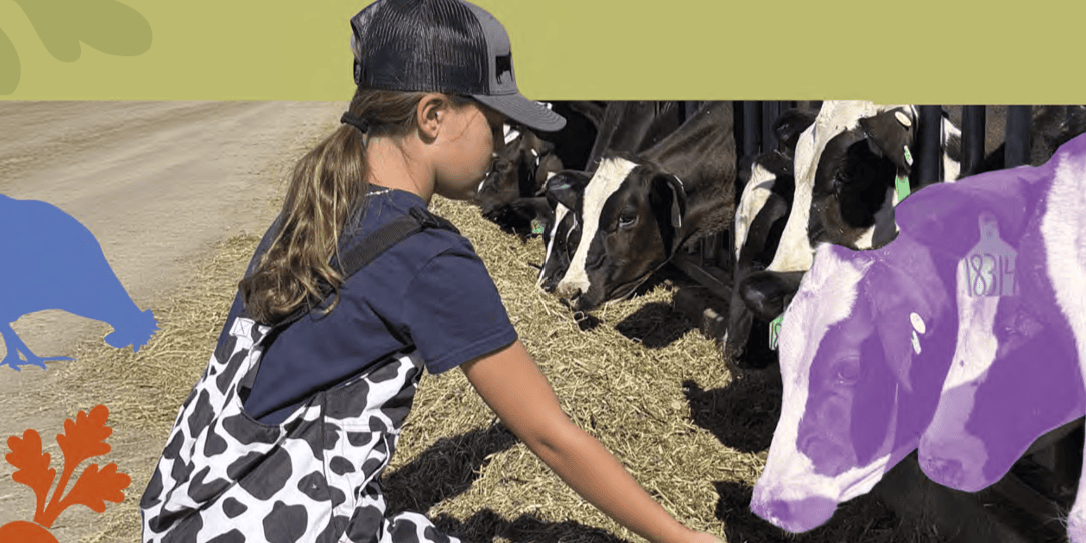
Roots of Success: How Schools, Farms and State Agencies Cultivate Farm-to-School
Learn about the many factors that go into a successful farm-to-school program—geography, growing seasons, procurement requirements, storage capacity, distribution networks, processing needs, student preferences and more—and get tips, inspiration and success stories from a dairy farmer, an Arizona school district and North Carolina’s farm-to-school program.